Services
Manual Therapy
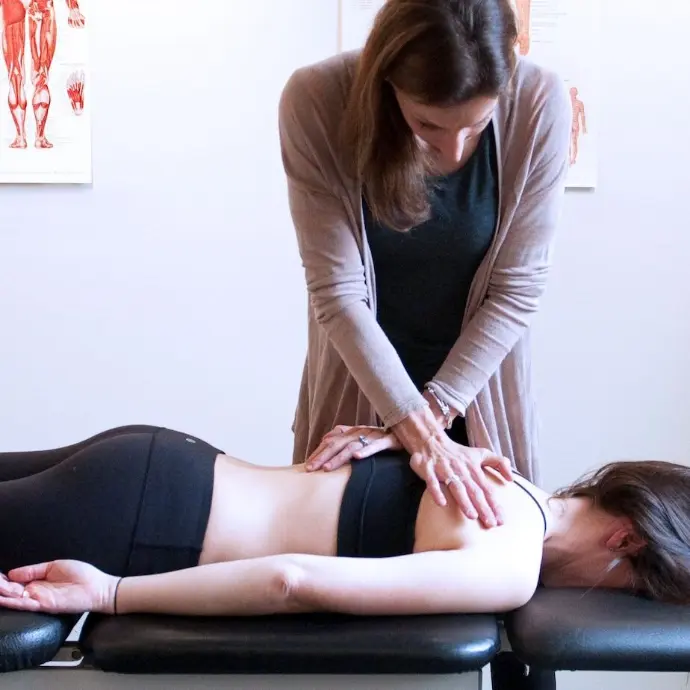
Manual therapy is a cornerstone of evidence-based physiotherapy and an essential part of effective rehabilitation.
At Healing Center Pro, manual therapy is delivered by licensed physiotherapy professionals using hands-on techniques to assess and treat musculoskeletal, neurological, and orthopedic conditions affecting the spine, joints, muscles, and connective tissues.
Through precise clinical techniques such as mobilization, manipulation, soft tissue release, and myofascial techniques, manual therapy helps to:
- Reduce pain and muscle tension
- Restore joint mobility and range of motion
- Improve circulation and tissue healing
- Address movement restrictions and dysfunction
- Support recovery after injury or surgery
Manual therapy is particularly effective for conditions involving the neck, spine, shoulders, knees, ankles, and feet, whether the pain is acute, chronic, or related to overuse or posture.
At Healing Center Pro, manual therapy is never provided in isolation. It is integrated within a structured treatment plan that begins with a thorough assessment and is combined with therapeutic exercise, movement retraining, and recovery strategies to achieve long-term results.
Our goal is not only to relieve pain, but to restore function, prevent recurrence, and help individuals move safely and confidently in their daily lives.
Orthopedic manual physical therapists treat acute and chronic pain conditions affecting all areas of the body. When injury causes soft-tissue and joint restrictions that produce pain during movement, manual therapy can improve mobility, reduce pain, and restore normal functioning of the soft-tissues and joints.
Benefits of Manual therapy:
· Manage pain: Chronic pain can be one of the most frustrating conditions to experience, especially if the underlying cause is unknown. However, physical therapy techniques and therapeutic exercises can help mobilize your joints and soft tissue and restore muscle function, reducing aches or eliminating pain altogether. And when patients continue to perform the prescribed physical exercises regularly, it can keep the pain from returning.
· Avoid surgery: While surgery is unavoidable in some cases, physical therapy can help avoid surgery for others. By eliminating pain, assisting with healing, and improving physical health, physical therapy can help heal injured tissue and facilitate mobility all on its own, thus eliminating the need to go under the knife. And in case you’ve already had surgery, PT can get you into good shape and help you recover faster.
· Prevent injuries: One of the key aspects of physical therapy involves assessing the weak areas in the patient’s body and formulating a PT plan that helps strengthen these vulnerable points. By recognizing the areas of muscular or skeletal weakness, a physical therapist can analyze how likely it is that a patient will suffer injury and create an exercise regimen that targets and strengthens weak muscle groups and joints, thus preventing future injuries in these areas.
· Improve mobility and balance: Often, after a serious injury or a big surgery, it can be hard for patients to get back on their feet. Mobility can be restricted and simple activities like writing, eating, or balancing the body can prove to be a challenge. This is when physical therapy comes in handy. Therapeutic exercises can restore mobility, make walking and moving around safer, and can even improve coordination and balance in patients who are at high risk for falls.
· Tackle general health issues: One of the less obvious advantages of physical therapy is that it helps handle and manage many age-related health problems including joint pains, arthritis, and osteoporosis. PT is a safer and more conservative approach for older patients, as it gives them a less traumatic alternative than undergoing joint replacement surgery. Physical therapy benefits have also proven to be effective for patients suffering from cardiac issues, as it improves cardiovascular function.
· Manage age related issues: Many times, as an individual ages throughout their life, many people may develop arthritis and osteoporosis. Physical therapy can help alleviate the pain and help recover from for example getting a knee, hip or joint replacement. Another benefit of physical therapy is that it can help manage arthritis and osteoporosis.
· Maximize your movement: Physical therapists are able to identify, diagnose and treat movement related issues. Each treatment plan is custom designed for each person's individual challenges and outcome goals. The benefit of physical therapy can help you live pain free and increase your quality of life. Your physical therapist also should work collaboratively with the patient.
· Avoid dependence in pain medication: Often when someone goes through surgery, there can be long term pain issues that need to be addressed. To reduce the risk of dependence on pain medication (mainly opioids), physical therapy is often a great safe alternative choice to address the pain issues from surgery. Even the CDC (center for disease prevention and control) recommends using physical therapy instead of pain medications like opioids.
· Regain original capabilities: Many times, as part of the healing process through physical therapy one is able to regain capabilities that were once lost. Although this does not happen quickly, after a few years of physical therapy under the supervision of an expert physical therapist. In addition, physical therapy is great because it helps not just regain original capabilities but because it will help significantly improve the overall fitness and health of a patient.
Why physical therapy is important?
Because physical therapy is not merely an alternative course of treatment; it offers varied benefits for people from all walks of life, right from athletes and sportspersons to people suffering from a range of health issues.

Recovery & Therapeutic Massage
Therapeutic massage is an important supportive component of evidence-based physiotherapy and recovery care when delivered within a structured clinical framework.
At Healing Center Pro, therapeutic massage is provided by licensed physiotherapy professionals as part of personalized rehabilitation and recovery programs. These techniques are used to support tissue healing, reduce pain, improve circulation, and enhance functional recovery following injury, surgery, or physical overload.
Types of therapeutic massage we provide
Our recovery services include a range of clinically guided massage techniques, selected based on individual assessment and treatment goals, including:
- Swedish Massage: to improve circulation, reduce muscle tension, and support general recovery
- Deep Tissue Massage: to address chronic muscle tightness, adhesions, and myofascial restrictions
- Sports Massage: to support athletic recovery, reduce muscle fatigue, and manage overuse injuries
- Lymphatic Drainage: to assist with swelling reduction, post-operative recovery, and tissue healing
- Prenatal Therapeutic Massage: provided with appropriate clinical considerations to support comfort and musculoskeletal health during pregnancy
Why therapeutic massage matters:
When applied correctly within a physiotherapy plan, therapeutic massage helps to:
✔ Reduce pain and muscle tightness
✔ Improve blood flow and lymphatic circulation
✔ Support tissue recovery and healing
✔ Enhance mobility and movement quality
✔ Prepare the body for rehabilitation exercises
How we deliver it at Healing Center Pro
Therapeutic massage is never provided as a standalone relaxation service. Each session follows a clinical assessment and is integrated with physiotherapy, manual therapy, therapeutic exercise, and recovery strategies to ensure safe, effective, and meaningful outcomes.
Our focus is on recovery, function, and long-term results — not temporary relief.
Benefits of Massage Therapy:
1. It Is Relaxing – When the body is tense and under stress, it produces unhealthy levels of the well-known stress hormone, cortisol, which can contribute to weight gain, sleeplessness, digestive problems, and headaches. Massage therapy has been shown to decrease cortisol levels in the body. This enables the body to enter a recovery mode. Moreover, this form of therapy also triggers lasting feelings of relaxation, improved mood, and reduced stress levels.
2. It Reduces Stress – Not only can massage therapy help with stress relief, but regular massage sessions over a prolonged period of time can boost energy levels, reduce pain, and stimulate individuals on physical as well as emotional levels.
3. It Can Help Lower Blood Pressure – Regular massage therapy sessions have been found to reduce blood pressure levels. In fact, some long-term studies have shown that a consistent massage program can reduce both systolic (upper number) and diastolic (lower number) blood pressure. In turn, lower blood pressure levels can also reduce the risk of heart attack, stroke, and/or kidney failure, as well as many other health issues.
4. It Promotes Muscle Relaxation – The purpose of massage therapy is to target the source of the body’s pain via eliminating tense muscles, increasing flexibility, and providing relaxation to the affected muscles as well as the body as a whole. Massage also promotes circulation to the affected or injured muscles, which increases nutrients and oxygen to the damaged tissues. In turn, this increased activity to the affected sites reduces stiffness and edema (swelling) in the muscles and joints, as well as increases flexibility to help reduce pain.
5. It Can Help Improve Circulation – The long-term benefits of massage therapy are not to be underestimated. Improved circulation is part of a snowball effect that occurs in the body as a result of receiving regular massage therapy on a consistent basis. This is because proper circulation brings damaged, stiff, and tense muscles the rich blood supply they need to promote healing.
Moreover, massage also promotes improved circulation via the use of hands-on pressure, which moves the blood through the damaged and congested areas of the body. In turn, the release of this same pressure causes new blood to flow into tissues. Furthermore, the squeezing, twisting, and pulling action of the massage technique also removes lactic acid from the muscle tissues. As a result, this action improves the lymph fluid circulation, which carries metabolic waste products away from internal organs and muscles. In turn, this results in lower blood pressure levels and improved overall body function.
6. It Can Help Improve Posture – Many Americans experience back, neck, and muscle pain from a variety of sources. However, the primary cause of this pain results from poor posture. In fact, chronic back pain, which is the number one reason for missed work days and second most common cause of disability, is often the result of incorrect or poor posture while standing and/or sitting. Moreover, being overweight, poor posture, and repetitive or overuse movements can also contribute to the strain on the back and other potential problem areas. As a result, the added strain often causes spasms, pain, and tense muscles in the hips, glutes, back, neck, and legs.
Massage therapy can help get the body back into proper alignment.
7. It Can Help Strengthen the Body’s Immune System – Regular massage sessions provide many benefits to the human body. It is a well-known fact that individuals who experience high levels of stress are more vulnerable to illness and injury. When stress is combined with sleep disturbances and poor nutrition, the impact is directed at the body’s immune system. Its ability to naturally protect itself against infections, pathogens, and bacteria is greatly reduced. Some might wonder how massage therapy benefits the immune system. Studies have indicated that regular massage sessions not only help reduce stress, but can also boost the immune system’s cytotoxic capacity (activity level of the body’s natural “killer cells”) and enhances the body’s ability to deliver nourishment. Moreover, massage therapy can be a great addition to any exercise program. Much like regular exercise can keep the body fine-tuned, regular massage therapy can help keep the immune system strong and resilient.
Also, studies have found that massage is helpful for:
· Anxiety.
· Digestive disorders.
· Fibromyalgia.
· Headaches.
· Insomnia related to stress.
· Myofascial pain syndrome.
· Soft tissue strains or injuries.
· Sports injuries.
Cupping Therapy
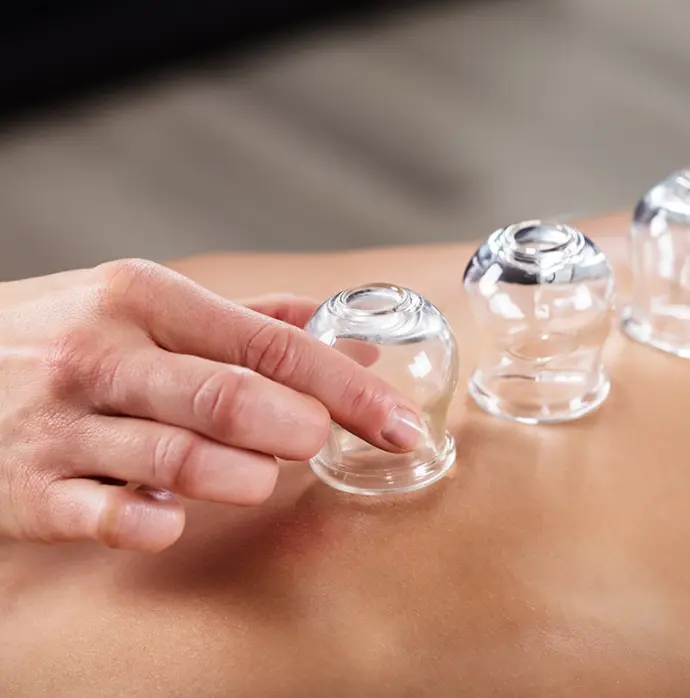
Cupping therapy is a supportive technique used within physiotherapy and rehabilitation to address soft tissue restrictions, muscle tightness, and movement limitations.
At Healing Center Pro, cupping therapy is provided by licensed physiotherapy professionals as part of a clinically guided treatment plan. The technique involves the controlled application of negative pressure to targeted soft tissue areas to support circulation, tissue mobility, and recovery.
Why cupping therapy is used
When applied appropriately within physiotherapy care, cupping therapy may help to:
✔ Reduce muscle tightness and soft tissue restrictions
✔ Improve local blood flow
✔ Support muscle recovery after physical strain or injury
✔ Enhance tissue mobility and movement quality
✔ Complement manual therapy and rehabilitation exercises
Who can benefit
Cupping therapy may be beneficial for individuals with:
Muscular tightness and myofascial restrictions
Sports-related muscle fatigue or overuse injuries
Postural strain and movement limitations
Recovery needs following physical activity
How we deliver it at Healing Center Pro
Cupping therapy is never used as a standalone treatment. Each session follows a proper physiotherapy assessment and is integrated with manual therapy, therapeutic exercise, and recovery strategies to ensure safe, effective, and meaningful outcomes.
Our focus is on functional improvement and recovery, guided by evidence-based physiotherapy principles.
Benefits of Cupping:
- Relaxation: suction cups provide a negative pressure on the skin, muscles, and fascia. This is in contrast to the positive pressure of the deep tissue massage and can be a very relaxing and soothing experience.
- Promotes blood circulation speeds up muscle recovery. The
negative pressure from the suction allows new blood to flow into
that area of tissue with several benefits -
1. Provides a feeling of relief from physical and emotional tensions
2. Begins the healing and regeneration process - the exchange of blood allows the removal of toxins and dead cells
3. Enhances circulation
4. Warms the skin, and softens tissues to regain elasticity
5. Reduces inflammation
Physiotherapy & Rehabilitation
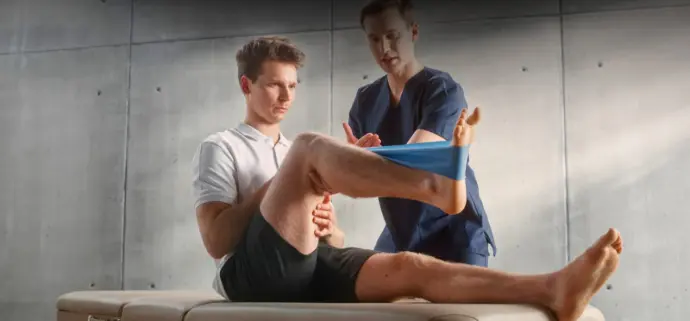
Physiotherapy and rehabilitation are the foundation of restoring movement, reducing pain, and improving functional independence across all stages of life.
At Healing Center Pro, we provide evidence-based physiotherapy and rehabilitation programs designed for individuals, athletes, and older adults, addressing a wide range of musculoskeletal, neurological, and post-operative conditions.
Each rehabilitation program begins with a comprehensive clinical assessment to identify movement impairments, functional limitations, and contributing factors. Treatment plans are personalized and may include therapeutic exercise, manual therapy, movement retraining, and recovery strategies to achieve safe and sustainable outcomes.
Physiotherapy for Individuals
Our individual physiotherapy programs focus on managing pain, restoring movement, and improving daily function for people experiencing:
- Neck, back, and joint pain
- Postural and movement dysfunction
- Work-related musculoskeletal conditions
- Recovery after injury or surgery
- The goal is to help individuals return to daily activities with confidence, reduced pain, and improved quality of life.
- Sports Rehabilitation for Athletes
We provide structured sports rehabilitation programs for recreational and professional athletes, focusing on:
- Injury rehabilitation and safe return to sport
- Load management and movement efficiency
- Injury prevention strategies
- Performance-oriented rehabilitation
- Our approach emphasizes proper assessment, progressive loading, and sport-specific rehabilitation to support long-term athletic performance.
- Physiotherapy for Older Adults (Geriatric Rehabilitation)
- Geriatric physiotherapy is designed to support mobility, balance, and independence in older adults. Programs focus on:
- Managing age-related musculoskeletal conditions
- Improving balance and reducing fall risk
- Supporting recovery after surgery or hospitalization
- Maintaining functional independence and quality of life
All programs are delivered with appropriate clinical consideration, safety, and individualized progression.
Our Rehabilitation Approach
Rehabilitation at Healing Center Pro is:
✔ Evidence-based
✔ Individually tailored
✔ Function-focused
✔ Progressively structured
✔ Delivered by licensed physiotherapy professionals
Benefits of Physiotherapy & Rehabilitation
Physiotherapy and rehabilitation play a critical role in restoring physical function, managing pain, and improving quality of life across all age groups and activity levels. When delivered through evidence-based assessment and structured treatment plans, rehabilitation offers long-term benefits beyond symptom relief.
1. Pain Management Without Dependence on Medication
Physiotherapy addresses the root causes of pain through movement analysis, therapeutic exercise, manual therapy, and recovery strategies. This approach reduces pain safely while minimizing reliance on pain medications.
2. Restoration of Movement and Functional Ability
Rehabilitation programs focus on improving joint mobility, muscle strength, flexibility, and coordination, allowing individuals to return to daily activities, work, and sport with greater confidence and control.
3. Faster and Safer Recovery After Injury or Surgery
Structured physiotherapy supports tissue healing, restores movement patterns, and reduces post-injury or post-operative complications, helping individuals recover safely and efficiently.
4. Injury Prevention and Recurrence Reduction
By identifying movement deficits, muscular imbalances, and load-management issues, physiotherapy helps reduce the risk of future injuries and prevents recurring pain.
5. Improved Balance, Stability, and Fall Prevention
For older adults, rehabilitation improves balance, strength, and coordination, reducing fall risk and supporting long-term independence.
6. Enhanced Athletic Performance and Return-to-Sport Safety
Athletes benefit from rehabilitation that restores strength, control, and movement efficiency while ensuring a safe and progressive return to training and competition.
7. Improved Posture and Movement Quality
Rehabilitation corrects faulty movement patterns and postural stress, reducing strain on joints and soft tissues during daily and occupational activities.
8. Long-Term Functional Independence and Quality of Life
By focusing on sustainable movement and function, physiotherapy helps individuals maintain independence, confidence, and physical well-being throughout all stages of life.
Why Choose Healing Center Pro
At Healing Center Pro, rehabilitation is guided by thorough assessment, clinical reasoning, and evidence-based practice. Our programs are individualized, progression-based, and designed to support long-term functional outcomes, not temporary relief.
OUR PARTNERS
We are in good company.